HVAC Appointment Booking: Complete Guide to Scheduling Success
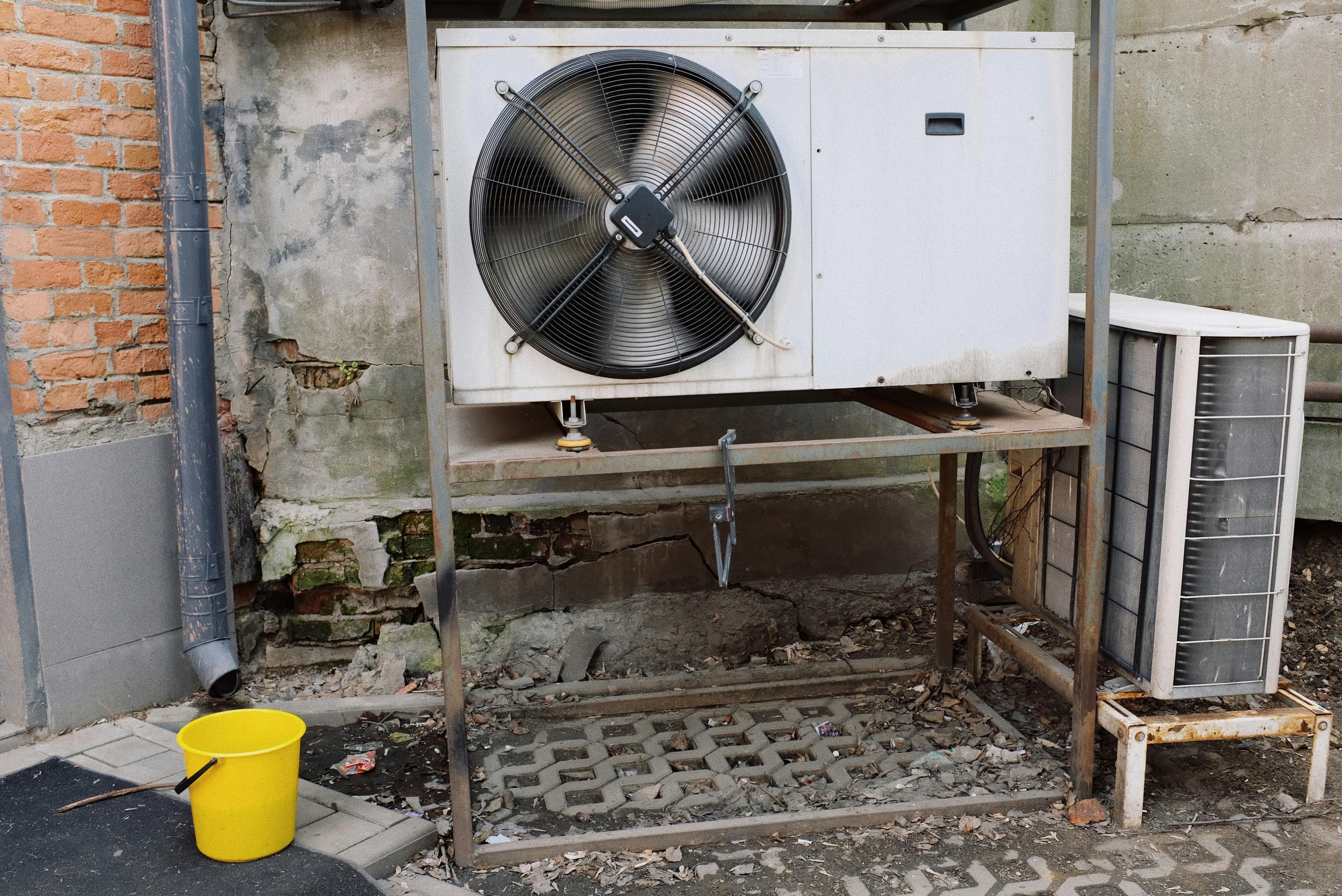

HVAC companies with optimized appointment booking systems achieve 30% higher technician utilization rates and 40% fewer no-shows while maintaining 95%+ on-time performance. Yet despite these compelling benefits, many HVAC businesses continue struggling with inefficient scheduling processes that waste resources, frustrate customers, and limit growth potential in one of the fastest-growing service industries.
The HVAC industry presents unique scheduling challenges that generic appointment systems simply weren't designed to handle. From emergency calls that disrupt carefully planned schedules to seasonal demand fluctuations that require dynamic capacity management, HVAC scheduling demands sophisticated coordination that balances customer urgency with operational efficiency and technician expertise.
Modern HVAC customers expect the same digital convenience they receive from other service providers, while the technical complexity of heating and cooling systems requires precise technician matching and comprehensive preparation. The HVAC companies thriving in this environment understand that scheduling optimization isn't just about managing appointments—it's about creating operational excellence that enables superior customer experiences while maximizing profitability and competitive positioning.
HVAC Scheduling Challenges: Beyond Basic Appointments
HVAC service scheduling operates in a complex environment where emergency calls, seasonal demand spikes, technical specializations, and weather dependencies create challenges that basic appointment systems cannot effectively manage. Understanding these unique challenges is essential for implementing scheduling solutions that deliver measurable business results.
Emergency HVAC response requires sophisticated coordination that balances speed with safety while ensuring technician preparedness and customer communication throughout the emergency service process. Rapid response coordination includes immediate technician dispatch with appropriate skills and equipment, customer communication that provides accurate arrival time estimates, and safety protocols that protect both technicians and customers during urgent repair situations.
HVAC demand varies dramatically throughout the year, with peak seasons creating capacity constraints while off-seasons provide opportunities for maintenance, training, and strategic planning. Effective scheduling systems must accommodate these fluctuations while maintaining customer service quality and business profitability. Summer cooling demand and winter heating emergencies create peak periods where scheduling efficiency directly determines revenue capture and customer satisfaction.
Weather conditions significantly impact HVAC demand patterns, equipment performance, and service requirements. Extreme temperature events create emergency service demand spikes, while seasonal transitions require proactive system preparation and customer outreach. Advanced scheduling systems integrate weather forecasting data to anticipate demand surges and pre-position resources for optimal response.
Booking System Requirements for HVAC
Effective HVAC scheduling requires specialized booking systems that address the unique operational requirements, customer expectations, and technical complexities of heating and cooling service delivery.
HVAC services range from routine maintenance to complex system installations, each requiring different scheduling approaches, technician skills, and time allocations. Service categories include emergency repair services that require immediate response, routine maintenance appointments that can be planned in advance with optimal routing, system installation projects that require multi-day scheduling, and diagnostic services that may lead to additional work. Each category demands different scheduling logic, time allocation, and resource preparation.
HVAC technicians possess different certifications, expertise levels, and specializations that must be matched appropriately with customer service requirements to ensure quality outcomes and operational efficiency. Effective matching considers EPA certifications, manufacturer-specific training, experience with residential vs. commercial systems, and specialized skills like ductwork design or indoor air quality assessment. Proper matching improves first-call resolution rates while reducing callbacks and customer dissatisfaction.
HVAC service often requires specialized tools, replacement parts, and diagnostic equipment that must be coordinated with scheduling to ensure service completion and customer satisfaction. Equipment tracking includes tool and diagnostic equipment allocation, parts inventory management with predictive stocking based on scheduled service types, and backup equipment protocols that prevent service delays when primary equipment is unavailable.
Seasonal Demand Management
The extreme seasonality of HVAC demand creates scheduling challenges that few other industries face. Peak season demand can exceed off-season volume by 300–500%, requiring sophisticated capacity management that maintains service quality during surges while optimizing resource utilization during slower periods.
Proactive seasonal scheduling strategies include pre-season maintenance campaigns that shift demand from peak to off-peak periods, reducing emergency call volume while generating consistent revenue. Automated systems can identify customers due for seasonal tune-ups and proactively schedule appointments during optimal windows, balancing customer convenience with operational efficiency.
Dynamic capacity planning uses historical demand data, weather forecasts, and seasonal patterns to predict staffing needs weeks in advance. Advanced systems recommend temporary staffing adjustments, overtime allocation, and contractor engagement based on anticipated demand, ensuring adequate coverage without excessive labor costs during normal periods.
Off-season optimization converts slower periods into strategic advantages through preventive maintenance programs, system upgrade campaigns, and new customer acquisition initiatives. Scheduling systems that support seasonal marketing integration help HVAC companies maintain revenue consistency throughout the year rather than experiencing the feast-or-famine cycles that plague less sophisticated competitors.
Customer Experience Optimization for HVAC
HVAC customer experience extends beyond simple appointment scheduling to encompass education, expectation management, and ongoing relationship building that creates loyalty and referral opportunities.
HVAC services often involve complex technical work that customers don't fully understand, creating opportunities for education and trust building that improve satisfaction while supporting premium pricing. Effective education builds customer confidence while positioning HVAC companies as trusted advisors rather than transactional service providers. Pre-appointment communication that explains the service process, expected duration, and potential findings reduces anxiety while creating informed customers who make better decisions.
Modern homeowners require scheduling flexibility that accommodates work schedules, family obligations, and lifestyle preferences while maintaining operational efficiency. Customer convenience often determines provider selection, making scheduling flexibility a competitive advantage that supports customer acquisition and retention. Online booking portals that offer real-time availability, service type selection, and preference management empower customers while reducing administrative burden.
Modern customers expect real-time visibility into service delivery, including accurate arrival time estimates and service progress updates. Real-time capabilities include GPS tracking, automatic customer notifications when technicians are en route, and completion notifications that provide service summary and next step recommendations. These transparency features significantly improve satisfaction scores while reducing inbound customer service calls.
Operational Efficiency Strategies
HVAC route optimization significantly impacts daily productivity by minimizing travel time while maximizing customer service capacity and technician satisfaction. Effective optimization can increase daily service capacity by 25–35% while reducing fuel costs and vehicle wear. Advanced algorithms consider not just geographic proximity but also job type sequencing, equipment requirements, and technician skill matching to create truly optimized daily schedules.
HVAC demand forecasting enables proactive capacity planning that ensures customer service availability while optimizing resource allocation across seasonal and weather-related demand fluctuations. Accurate forecasting enables strategic staffing decisions while supporting customer service commitments and business growth planning. Machine learning models that incorporate historical patterns, weather data, and market trends can predict demand with 85–90% accuracy, enabling precise resource allocation.
HVAC service effectiveness depends heavily on parts availability and inventory coordination that ensures technicians can complete services during scheduled appointments rather than requiring return visits. Effective coordination improves first-call resolution rates while reducing operational costs and customer inconvenience. Scheduling systems integrated with inventory management can verify parts availability before confirming appointments, automatically generate procurement orders for upcoming jobs, and optimize van stock based on scheduled service types.
Technology Implementation and Integration
Technology implementation success requires careful system selection prioritizing HVAC-specific functionality, comprehensive integration with existing business systems, systematic training and change management, and ongoing optimization that adapts capabilities to evolving business needs and market conditions.
CRM integration ensures complete customer visibility including equipment inventory, service history, warranty status, and communication preferences. Bidirectional synchronization enables scheduling decisions informed by comprehensive customer data while ensuring service outcomes update customer records automatically.
Mobile technology for HVAC technicians must support offline operation in basements and mechanical rooms where connectivity may be limited, while providing comprehensive job information, diagnostic resources, and customer communication tools. Equipment diagnostic integration that connects scheduling systems with smart thermostat data, equipment monitoring sensors, and manufacturer databases enables predictive maintenance scheduling based on actual equipment performance rather than arbitrary time intervals.
Success Metrics for HVAC Companies
HVAC appointment booking success requires comprehensive measurement that tracks operational efficiency, customer satisfaction, and financial performance. First-call resolution represents one of the most important HVAC performance metrics, with leading companies achieving rates exceeding 85%.
Customer satisfaction scores should target 4.5+ out of 5, with particular improvements in communication and punctuality ratings. Technician utilization should target 80% productive time through systematic operational optimization and technology utilization. No-show rates should fall below 5% with comprehensive automated reminder and confirmation sequences.
Leading HVAC companies typically achieve revenue per technician increases of 25–35% within 18 months of implementing comprehensive scheduling optimization and customer experience improvements. These gains come from increased daily service capacity, improved first-call resolution, higher customer retention, and more effective preventive maintenance program enrollment.
As customer expectations continue evolving toward digital convenience and instant gratification, while HVAC technical complexity increases and competition intensifies, scheduling excellence becomes essential for survival and growth. The companies implementing advanced capabilities today build advantages that strengthen over time through operational learning, customer loyalty, and market reputation that create sustainable differentiation.
Ready to transform your booking?
Join hundreds of field service teams already using Driive to win more jobs, reduce drive time, and automate their booking.
Cancel anytime. No commitment. No setup fees.